Blog
What Is Ice Hockey? Rules, Penalties & History
Apr 19 2026
What Is Ice Hockey? Rules, Penalties & History
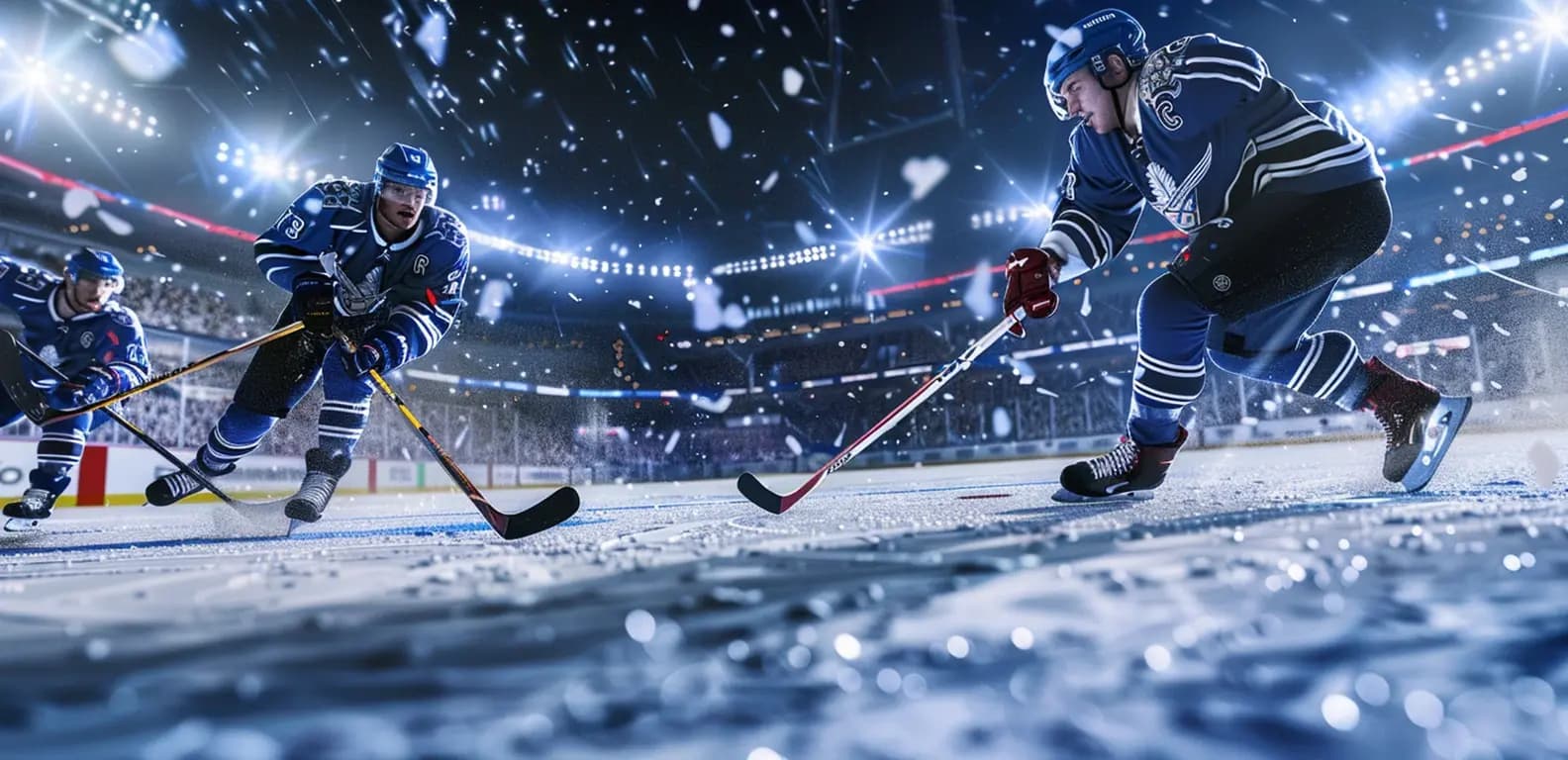
Ice hockey is one of the most intense, fast-paced, and physically demanding sports in the world. Played on ice with unmatched speed and precision, the sport has captured the hearts of fans across North America, Europe, and beyond. Whether it’s the roar of the NHL arena or the nail-biting atmosphere of international tournaments, ice hockey delivers a level of excitement that few sports can match.
For Oddie.io users who follow global sports or enjoy analyzing team dynamics, understanding the fundamentals of ice hockey provides a deeper appreciation of every pass, shot, and power play. This guide explores the sport’s origins, key rules, player roles, and penalty system all explained in a clear, professional, and human-centered tone.
A Brief History of Ice Hockey
The origins of ice hockey trace back to 19th-century Canada, where Indigenous games, British field hockey, and early winter sports helped shape the modern version of the sport. The first recorded indoor hockey game took place in Montreal in 1875, setting the foundation for structured leagues and standardized rules.
By the early 1900s, ice hockey had spread across Canada and the northern United States, eventually becoming one of the most prominent winter sports. The National Hockey League (NHL) was founded in 1917 and remains the world’s premier professional hockey league. Over time, the sport expanded to Europe, Russia, and Scandinavia where nations like Sweden, Finland, and Russia have become dominant international contenders.
Today, ice hockey is played at all levels: recreationally, professionally, and on the Olympic stage, where it continues to be one of the most watched winter events.
How Ice Hockey Works: The Basics
Ice hockey is played between two teams of six players each typically five skaters and one goaltender. The objective is simple: score more goals than the opponent by shooting a puck into the opposing team’s net.
1. The Rink
A standard rink includes:
Three zones: defensive, neutral, and offensive
Blue lines dividing the zones
Goal creases
Boards surrounding the ice for safety and puck control
2. Game Duration
Professional games consist of:
Three periods, each lasting 20 minutes
Intermissions between periods
Overtime and shootouts if necessary, depending on league rules
Key Rules of Ice Hockey
1. Faceoffs
Each play begins with a faceoff, where the puck is dropped between two opposing players.
2. Offside Rule
A player cannot enter the offensive zone before the puck. This ensures fair play and prevents “cherry-picking.”
3. Icing Rule
Icing occurs when a player shoots the puck across both the center line and the opponent’s goal line without it being touched. It results in a stoppage of play and a faceoff in the defensive zone.
4. Scoring
A goal is scored when the puck completely crosses the goal line. Skilled teamwork, puck movement, and strategic positioning are critical for generating scoring opportunities.
Ice Hockey Penalties Explained
Penalties help maintain fairness and player safety. When a penalty occurs, the offending player serves time in the penalty box, giving the opposing team a temporary advantage known as a power play.
1. Minor Penalties (2 minutes)
Common minor penalties include:
Tripping
Hooking
Holding
High-sticking
Interference
The penalized team plays short-handed until time expires or the opposing team scores.
2. Major Penalties (5 minutes)
More severe actions such as fighting or boarding result in major penalties. Unlike minor penalties, the penalized team remains short-handed even if a goal is scored.
3. Misconduct Penalties (10 minutes)
These penalties punish unsportsmanlike behavior. The player is removed from play for 10 minutes, but the team does not play short-handed.
4. Game Misconduct & Match Penalties
In cases of dangerous or intentional fouls, players may be ejected from the game entirely.
Player Positions and Responsibilities
1. Goaltender (Goalie)
The last line of defense, responsible for blocking shots and protecting the net.
2. Defensemen
Two players positioned near the defensive zone who block attacks, protect the goalie, and initiate offensive plays.
3. Forwards
Center: Leads breakouts and controls faceoffs.
Left Wing: Supports offense, especially along the boards.
Right Wing: Creates scoring opportunities and applies pressure in the offensive zone.
Each position plays a critical role, and successful teams rely on strong communication and seamless transitions between defense and offense.
Why Ice Hockey Captivates Fans Worldwide
Skaters reach incredible speeds, creating constant movement and rapid shifts in momentum.vIce hockey blends power and finesse from body checks to precise puck handling.Games can change dramatically within seconds, making every moment meaningful. From the NHL to the IIHF World Championships and Olympic tournaments, ice hockey thrives on global talent and tradition.
Ice hockey is a sport defined by speed, teamwork, and precision. Its rich history, established rules, and thrilling gameplay have earned it a loyal global fan base. By understanding how the game works from rink layout to penalty systems fans can appreciate both the athletic skill and strategic complexity that make ice hockey so special.
With Oddie.io providing a modern, secure, and user-focused digital environment, staying connected to the world of ice hockey has never been easier. Whether you’re watching a regular-season matchup or following a major international tournament, the excitement of the sport is always within reach.