Blog
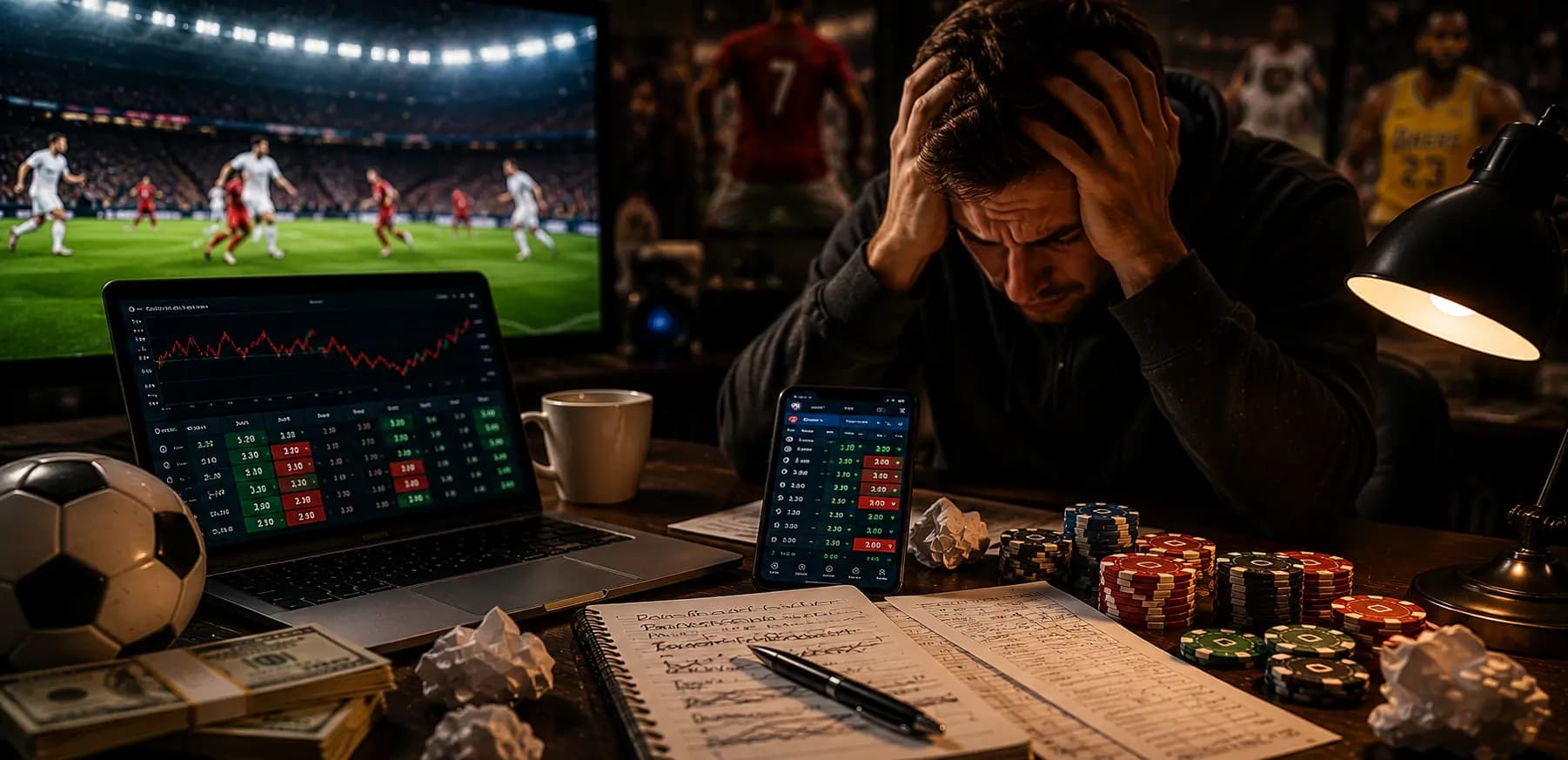
How Emotions Affect Sports Betting Decisions
Jun 3 2026
How Emotions Affect Sports Betting Decisions
Sports betting is often viewed as a numbers-based activity focused on statistics, odds, probability, and strategy. However, emotions play a massive role in how bettors make decisions before, during, and after placing wagers. Excitement, frustration, confidence, fear, greed, and disappointment can all heavily influence betting behavior, especially during high-pressure sporting events and fast-paced live betting environments. Many bettors believe they are making logical decisions when, in reality, emotions are strongly affecting how they analyze games, manage bankrolls, and react to wins or losses. Understanding the psychological side of sports betting is essential because emotional decision-making is one of the biggest reasons many bettors struggle to remain profitable long term. Professional sports bettors understand that emotional discipline is just as important as sports knowledge or statistical analysis. Even highly intelligent bettors can make poor financial decisions when emotions begin controlling their behavior. Online sportsbooks, crypto betting platforms, and live betting markets create nonstop gambling opportunities that can increase emotional pressure significantly. Learning how emotions affect sports betting decisions can help bettors improve discipline, manage risk more effectively, and avoid many of the most common mistakes in modern gambling environments.
Why Do Emotions Play Such a Big Role in Sports Betting?
Sports naturally create emotional reactions because fans become deeply connected to teams, athletes, rivalries, and major events. Betting adds financial risk to those emotions, making the experience even more psychologically intense. Winning bets can create excitement and overconfidence, while losing bets often trigger frustration, stress, or anger. Fast-moving betting environments such as live betting can increase emotional reactions because decisions must often be made quickly under pressure. Human psychology naturally struggles with uncertainty, risk, and financial loss, which makes emotional control difficult for many bettors. Even experienced gamblers can sometimes allow emotions to influence decision-making during stressful situations or major sporting events.
How Does Overconfidence Affect Bettors?
Overconfidence is one of the most common emotional problems in sports betting. After winning several bets in a row, many bettors begin believing they cannot lose or that they have fully mastered the sportsbook markets. This confidence often causes bettors to increase wager sizes unnecessarily or take risks they would normally avoid. Winning streaks may create the illusion that recent success guarantees future results, even though variance and randomness always exist in sports betting. Overconfident bettors often stop researching properly, ignore bankroll management rules, or make emotional wagers based purely on momentum and excitement. Professional bettors understand that emotional balance during winning periods is just as important as discipline during losses.
Why Do Bettors Chase Losses?
Chasing losses happens when bettors increase wager sizes or place impulsive bets in an attempt to recover money quickly after losing. This behavior is heavily driven by emotional frustration and the psychological discomfort associated with losing money. Many bettors feel pressure to immediately win back losses instead of accepting short-term setbacks calmly. Chasing losses often creates even larger financial problems because emotional decisions usually ignore proper analysis and bankroll management. Professional bettors understand that losing streaks are a normal part of sports betting and should not trigger panic or reckless gambling behavior. Emotional recovery betting is one of the fastest ways inexperienced bettors damage their bankrolls.
How Does Fear Influence Betting Decisions?
Fear affects sports bettors in several different ways. Some bettors become afraid of losing after bad experiences and begin avoiding logical wagers even when value exists. Others may cash out bets too early because they fear potential losses despite strong betting positions. Fear can also cause bettors to hesitate excessively, miss opportunities, or avoid disciplined strategies after temporary losing streaks. Emotional fear often prevents bettors from making objective probability-based decisions. Successful sports betting requires accepting uncertainty and understanding that losses are unavoidable even with strong analysis. Professional bettors focus on long-term strategy rather than allowing short-term fear to control their actions.
Why Do Fans Make Emotional Bets?
Many bettors struggle separating fandom from objective betting analysis. Fans naturally want their favorite teams or athletes to succeed, which can distort probability assessment and betting decisions. Bettors often overestimate teams they support emotionally while underestimating rivals or unpopular opponents. Major teams with large fanbases frequently attract heavy public betting regardless of actual betting value. Emotional attachment can make it difficult to evaluate games objectively because personal loyalty interferes with rational analysis. Professional bettors usually avoid allowing fandom to influence their wagers and instead focus on numbers, probability, and value-based decision-making.
How Does Live Betting Increase Emotional Pressure?
Live betting creates particularly strong emotional pressure because odds change rapidly while games are actively unfolding. Bettors must make quick decisions during exciting moments, momentum swings, injuries, scoring runs, and dramatic finishes. These fast-paced environments can encourage impulsive betting behavior and emotional overreaction. Some bettors place wagers simply because adrenaline and excitement make them feel emotionally invested in the action. Chasing losses during live betting is especially dangerous because betting opportunities constantly appear throughout the event. Successful live bettors maintain emotional discipline and avoid reacting impulsively to short-term momentum changes during games.
Why Is Greed Dangerous in Sports Betting?
Greed can heavily damage sports betting discipline because bettors may constantly seek bigger wins instead of focusing on sustainable long-term strategy. Some bettors become obsessed with turning small balances into huge profits quickly, leading to oversized wagers and risky parlays. Others continue gambling excessively after winning because they believe they can continue increasing profits indefinitely. Greed often encourages bettors to ignore bankroll management and take unnecessary risks for emotional excitement. Professional bettors focus more on consistency and long-term profitability rather than chasing unrealistic jackpots or emotional highs from massive wins.
How Does Tilt Affect Bettors?
Tilt is a gambling term describing emotional frustration that causes bettors to lose control after bad outcomes or unexpected losses. Tilt commonly occurs after bad beats, controversial referee decisions, missed opportunities, or losing streaks. Emotional frustration may cause bettors to place reckless wagers without proper analysis simply to release stress or recover losses quickly. Tilt often destroys bankroll discipline because emotional reactions override logical thinking. Professional bettors recognize tilt as a major psychological risk and often stop betting temporarily when emotions become too intense. Managing emotional recovery is one of the most important parts of long-term sports betting discipline.
Why Is Discipline More Important Than Predictions?
Many bettors believe sports betting success depends mainly on predicting games correctly, but emotional discipline is often even more important long term. Skilled analysis becomes far less valuable when bettors fail to control emotions, manage bankrolls, or follow consistent strategies. Professional bettors maintain structured betting systems regardless of short-term wins or losses. They avoid emotional overreaction and focus on long-term expected value rather than temporary results. Emotional discipline allows bettors to survive variance and continue making rational decisions even during difficult periods. Consistency and control are often more valuable than emotional confidence or short-term hot streaks.
How Can Bettors Improve Emotional Control?
Improving emotional control requires self-awareness, discipline, and structured betting habits. Many successful bettors use bankroll management systems to reduce emotional pressure during losing streaks. Setting clear financial limits and avoiding impulsive wagering can also help maintain emotional stability. Some bettors take breaks after stressful losses or avoid live betting environments that trigger emotional behavior. Tracking betting history and reviewing decisions objectively may help bettors recognize emotional patterns and bad habits over time. Professional bettors often approach sports betting more like investing or business analysis rather than emotional entertainment.
Why Is Responsible Gambling Important?
Responsible gambling is extremely important because emotional betting behavior can sometimes develop into unhealthy financial and psychological habits. Sports betting should always remain a form of entertainment rather than a guaranteed income source. Gambling with money that cannot comfortably be lost increases emotional stress and may encourage reckless decision-making. Setting budgets, taking breaks, understanding limits, and maintaining emotional balance are essential parts of responsible sports betting. Healthy gambling habits help bettors enjoy sports wagering while reducing financial and emotional risks over the long term.
Final Thoughts on Emotions in Sports Betting
Emotions play a major role in sports betting decisions and often influence bettors far more than they realize. Overconfidence, fear, greed, frustration, excitement, and emotional attachment can all distort judgment and lead to poor financial decisions. Successful sports bettors understand that emotional discipline is just as important as sports knowledge, statistical analysis, or betting strategy. By controlling emotions, respecting bankroll management, avoiding impulsive behavior, and focusing on long-term consistency, bettors can improve decision-making and reduce many of the risks associated with modern sports gambling. As online sportsbooks, crypto betting platforms, and live betting continue growing globally, emotional control will remain one of the most important skills separating disciplined bettors from emotional gamblers.